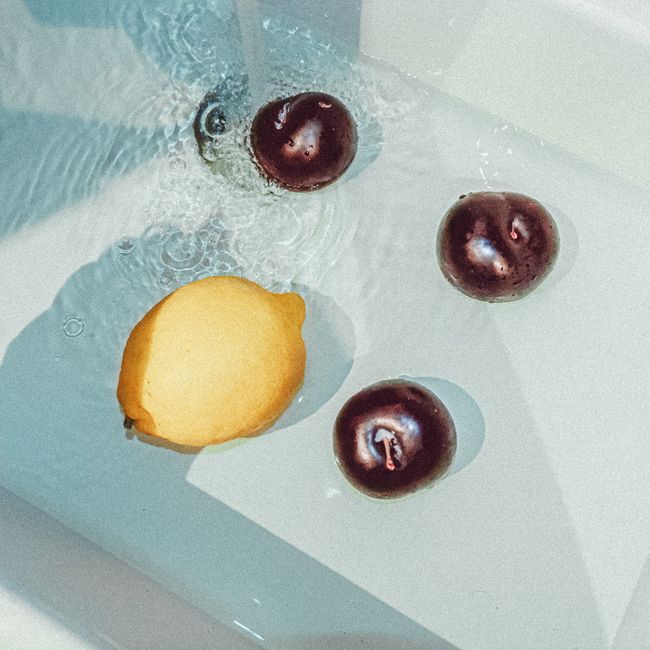
Plum
B
71
Good
46 kcal · 100 g
·
1 piece (60 g) ≈ 28 kcal
Healthier picks of the same kind
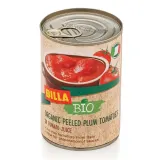 Organic peeled plum tomatoes (60%) in their juice BILLA BIO, 425 ml
30 kcal · 100 g
35% fewer kcal
more fruit & veg
Compare →
A
93
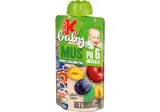 Apple and plum puree with vitamin C from 6 months, Kubuš baby, 120g
49 kcal · 100 g
more fruit & veg
Compare →
A
89
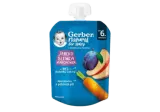 Puree GERBER with apples, plums, carrots (from 6 months), 80 g
50 kcal · 100 g
more fruit & veg
Compare →
A
86
Nutrition
100 g / ml
Everyday food: average values from food composition tables (USDA, Fineli) and usual recipes. A particular brand may differ.
46kcal
192 kJ / 46 kcal
Fat
0,3 g
6% of energy
Carbohydrates
10 g
88% of energy
Proteins
0,7 g
6% of energy
| Nutrient | 100 g | Of daily |
|---|---|---|
| Energy | 192 kJ / 46 kcal | |
| Fat | 0.3 g |
0%
|
| of which saturates | 0 g |
0%
|
| Carbohydrate | 10 g |
4%
|
| of which sugars | 9.9 g |
11%
|
| Protein | 0.7 g |
1%
|
| Fibre | 1.4 g | |
| Salt | 0 g |
0%
|
Health score
B
71
Good
71 out of 100
· Judged as: food
Lowers the score
- Sugars −2
How this is worked out
We use the Nutri-Score method: points for energy, sugar, saturated fat and salt, less points for protein, fibre and fruit and vegetable content. Drinks, oils and cheese are judged on their own scales — otherwise olive oil would look worse than a sugary drink purely for being calorie-dense.
Shops do not publish fibre, so we treat it as zero. Whole grain and pulse products may therefore score slightly lower here than the label on the packet says.
Extra metrics
1.5 g
Protein / 100 kcal
99%
Sugar of carbs
0%
Saturated of fat
Common questions
- How many calories are in Plum?
- 100 g – 46 kcal. 1 piece (60 g) ≈ 28 kcal.
- How much protein, fat and carbohydrate?
- Per 100 g: protein 0,7 g, fat 0,3 g, carbohydrate 10 g.
- Is Plum a healthy choice?
- Health grade B (71 of 100), from its sugar, saturated fat, salt, fibre and protein.
Missing information? Suggest it
You will see your suggestion right away; others see it once an administrator approves it.
Nutrition
Per 100 g / ml.
worked out for you
Ingredients
Follow stebi.me
Label facts, in your feed every day
Where the sugar hides, which has the most protein, which yogurt is better – short comparisons worth saving.